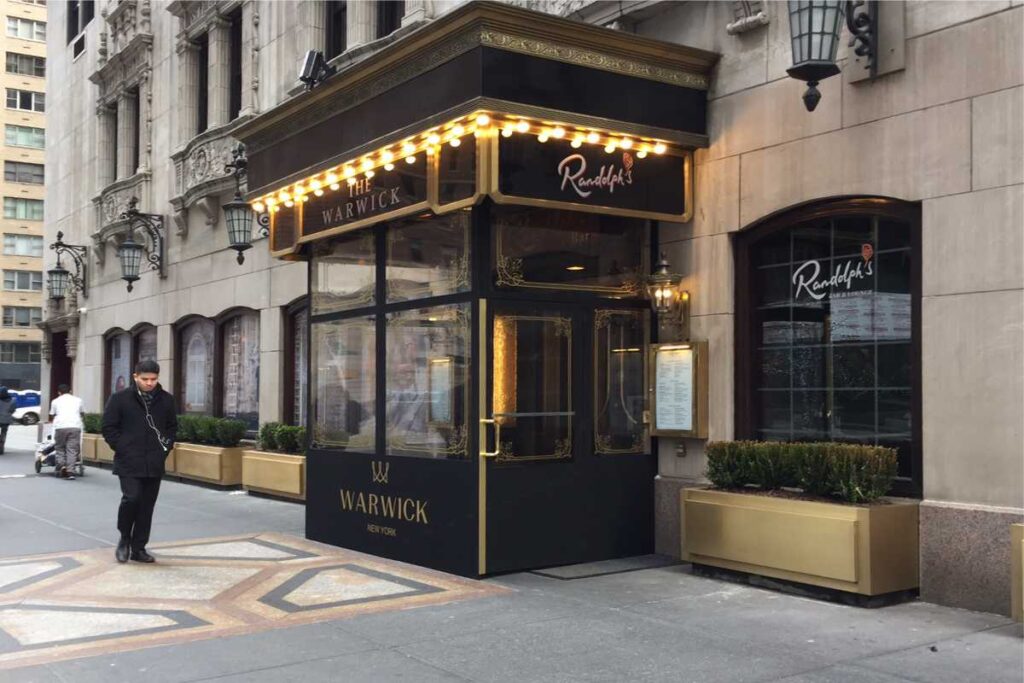
Restaurants must keep their guests comfortable, regardless of the season. Winter vestibules help businesses create a steady and welcoming experience even during harsh weather. These custom enclosures do more than block out the cold. They shape first impressions and help daily operations run more smoothly.
A vestibule adds value by improving comfort, boosting your brand image, and supporting staff efficiency. Guests notice the difference when they walk in. NYC Restaurant Awnings has winter vestibule enclosures that are affordable and appealing. This is why they are the go-to source for winter vestibules in NYC.
Below, you’ll see how restaurants use vestibule enclosures to deliver a consistent experience all year.
Key Takeaways
- Winter vestibules create a barrier that keeps cold air out and helps maintain a steady temperature inside the dining area.
- A well-designed entry enclosure helps protect your floors and furnishings while supporting a smooth flow of guests.
- Branded vestibules give restaurants a unique look and make the entrance feel more welcoming in every season.
Make a Statement Before Guests Walk In
Winter vestibules do more than block cold air. They add a clean, polished look that helps your restaurant stand out in the colder months. When the outside looks cared for, people are more likely to step inside and see what else you offer.
A winter vestibule shows you’re ready for the season and focused on comfort. Returning guests appreciate the effort, and new visitors feel more confident walking in. That quick glance at the entrance can shape someone’s decision to stay or keep walking.
How Do Vestibule Enclosures Improve Table Turnover Rates?
Vestibule enclosures help you seat more guests by keeping your entry warm and comfortable. When people aren’t freezing while they wait, they stick around instead of leaving. This keeps your tables full and your dining room moving faster during busy hours.
You also get more control over the flow of traffic at your door. A warm waiting area encourages guests to stay close and be ready when a table opens. Winter vestibules in NYC give restaurants a simple way to protect revenue when every table counts.
Looking for a way to keep diners from walking out this winter? Invest in the temporary winter vestibules offered by NYC Restaurant Awnings.
Extending The Life Of Interior Spaces
Winter brings in more than cold air. Snow, slush, and sidewalk salt get tracked through the door and quickly wear down your floors. A vestibule keeps that mess outside, which helps your space stay cleaner and hold up longer.
Over time, that small barrier does a lot of work. Your floors take less damage, your mats last longer, and your staff doesn’t have to clean as often. That means your entry stays welcoming without the extra maintenance.
Winter Vestibules in NYC are a Great Investment
Choosing a winter vestibule means you do more than keep out the cold. With support from NYC Restaurant Awnings, you can set your business apart and create a more welcoming and comfortable space for every guest. The right entry enclosure helps your restaurant stand out and brings long-term benefits for both customers and staff.
Frequently Asked Questions
What makes winter vestibules different from regular entryways?
Winter vestibules form a sealed barrier that keeps out drafts and street noise while helping maintain a comfortable indoor temperature. They also create a more polished entrance that stands out and protects your restaurant’s interior from weather damage.
How do winter vestibules impact guest satisfaction during cold months?
Guests enjoy a smoother, warmer entry and avoid uncomfortable blasts of cold air when entering or waiting for a table. This consistent comfort makes people more likely to stay, return, and recommend your restaurant to others.
Can a winter vestibule help lower operating costs for restaurants?
A vestibule reduces the load on your heating system by blocking cold air at the door, leading to real energy savings. You also spend less on cleaning and repairs, since the enclosure keeps out slush, salt, and debris from the street.